Dental implant or bridge? How to choose when you lose a tooth
Implants and bridges both replace missing teeth, but they work very differently. Compare how each works, who suits which, and how long they last.
Losing a tooth affects more than your smile. The gap can make chewing harder, neighbouring teeth can slowly tilt into the space, and the bone under a missing tooth gradually shrinks. The two most common fixed options to replace a tooth are a dental implant and a bridge. Both can look natural — the difference lies in how they are supported.
How a dental implant works
An implant is a small titanium post placed in the jawbone where the root of the missing tooth used to be. Over a few months the bone bonds to it. A crown is then fixed on top. Because it stands on its own, an implant doesn't depend on the teeth next to it.
- Neighbouring teeth are left untouched
- It helps preserve the jawbone, because the bone continues to be stimulated
- With good care it can last for many years
- It requires a minor surgical procedure and a healing period before the final crown
How a bridge works
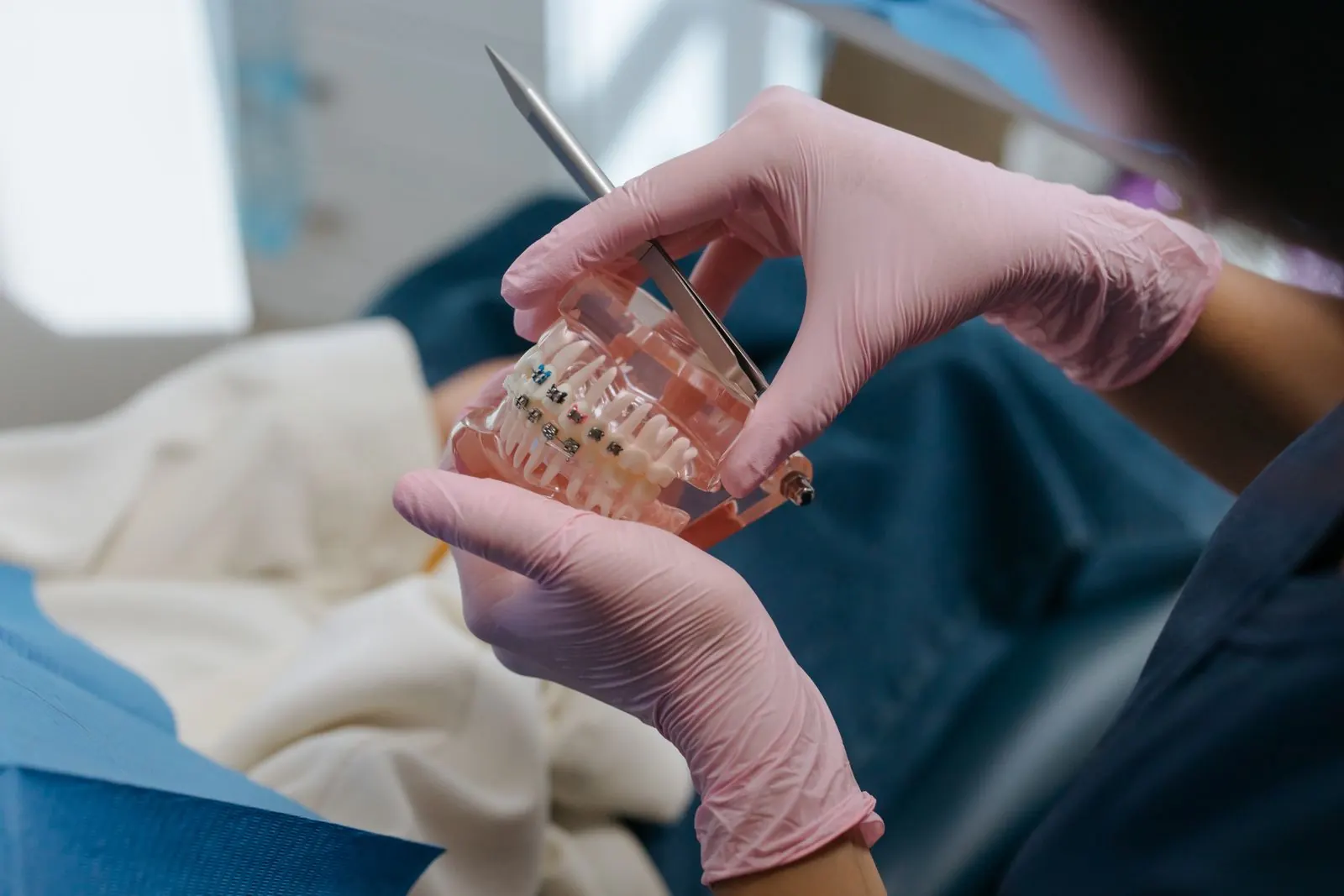
A bridge replaces a missing tooth by anchoring to the teeth on either side. Those teeth are trimmed and capped with crowns, and a false tooth is attached between them.
- Treatment is usually quicker, with no surgery
- It can be a good option when the neighbouring teeth already need crowns
- Healthy neighbouring teeth have to be trimmed to support it
- Cleaning under a bridge needs extra care (floss threaders or interdental brushes)
Which one suits you?
There is no single right answer. The choice depends on things your dentist will assess:
- Bone and gum health — an implant needs enough healthy bone. Gum disease should be treated first.
- Condition of the neighbouring teeth — if they are healthy, an implant spares them; if they are heavily filled, crowning them for a bridge may make sense.
- General health — uncontrolled diabetes and smoking can slow healing and affect implant success.
- Time — a bridge is usually completed sooner than an implant.
Replacing several teeth
Implants aren't only for single teeth. Two or more implants can support a bridge, and implants can also support a full-arch restoration for people missing all the teeth in a jaw.
Don't leave the gap too long
Whichever option you choose, it's usually easier to replace a tooth sooner rather than later, before neighbouring teeth drift or the bone shrinks. Dr. Jahanvi Tyagi places dental implants and also offers crowns and bridges at the clinic in Jhotwara, Jaipur. A consultation is the best place to weigh up the options for your mouth — book one here.
This article is general information, not medical advice, and is not a substitute for a consultation. Treatment is always planned after an examination by Dr. Jahanvi Tyagi.