Melasma and pigmentation: causes, triggers and treatment options
Why dark patches appear on the face, what makes melasma worse, and how sunscreen, creams, peels and laser toning are used to treat pigmentation.
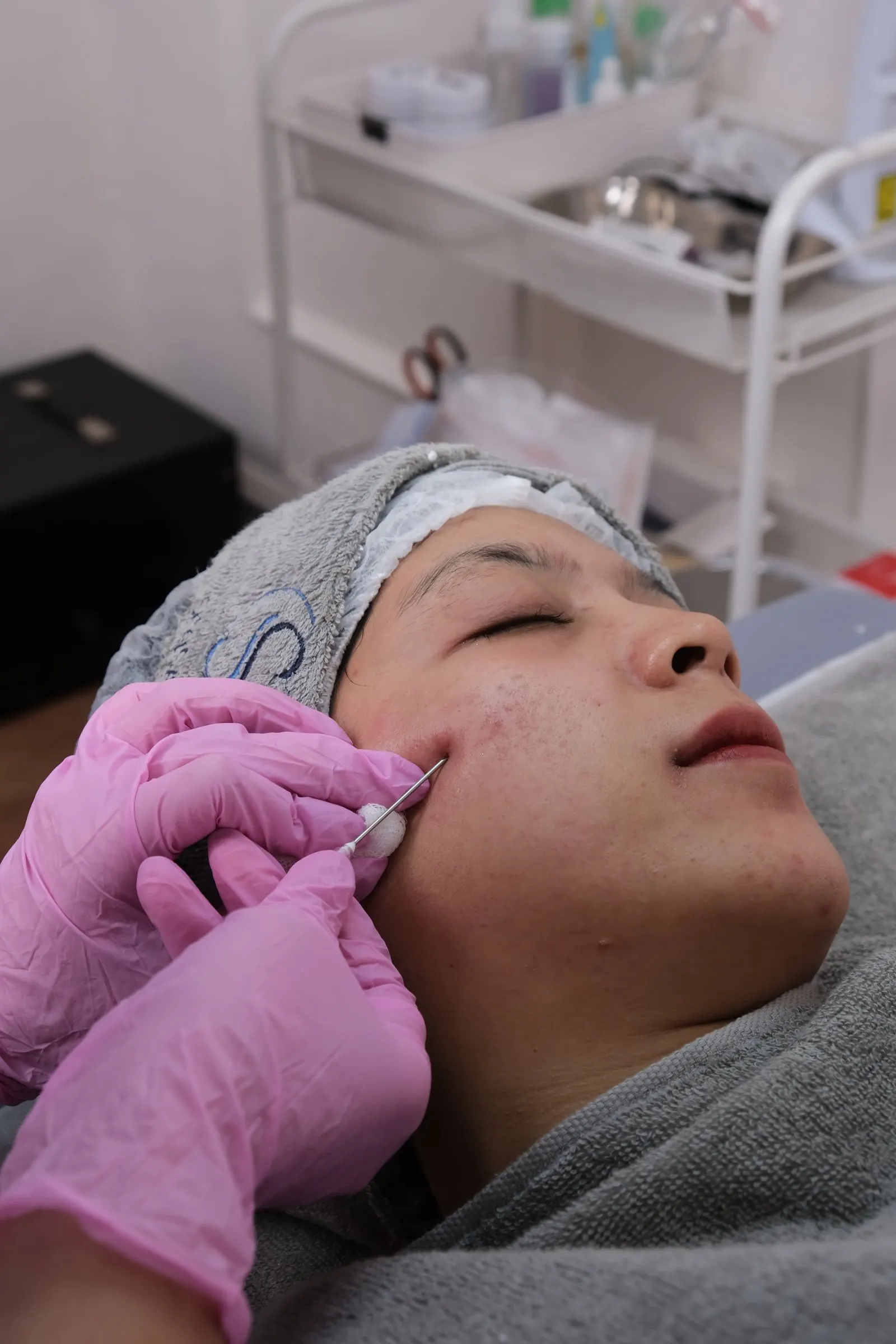
Brown or grey-brown patches on the cheeks, forehead, upper lip or nose are one of the most common skin concerns in India. Often this is melasma; sometimes it's another kind of pigmentation, like sun spots or the dark marks left behind after acne. Getting the diagnosis right matters, because the treatment differs.
What causes melasma?
Melasma happens when the skin's pigment cells become overactive. It isn't fully understood, but common triggers include:
- Sun exposure — the single biggest trigger, including visible light and heat
- Hormones — pregnancy, oral contraceptives and hormonal therapy
- Genetics — it often runs in families
- Some cosmetics and irritating products that inflame the skin
Melasma is more common in women and in medium to darker skin tones.
Other types of pigmentation
- Post-inflammatory hyperpigmentation — dark marks left after acne, burns or irritation
- Sun spots and freckles — small, well-defined spots from cumulative sun exposure
- Uneven skin tone and tanning
Treatment options
Pigmentation is usually treated with a combination of approaches, tailored to the type and depth of pigment:
- Daily sun protection — a broad-spectrum sunscreen, reapplied, is the foundation of every treatment plan. Without it, other treatments rarely last.
- Prescription creams — to slow pigment production and lighten patches.
- Chemical peels — controlled exfoliation that helps fade surface pigment. Read about chemical peels.
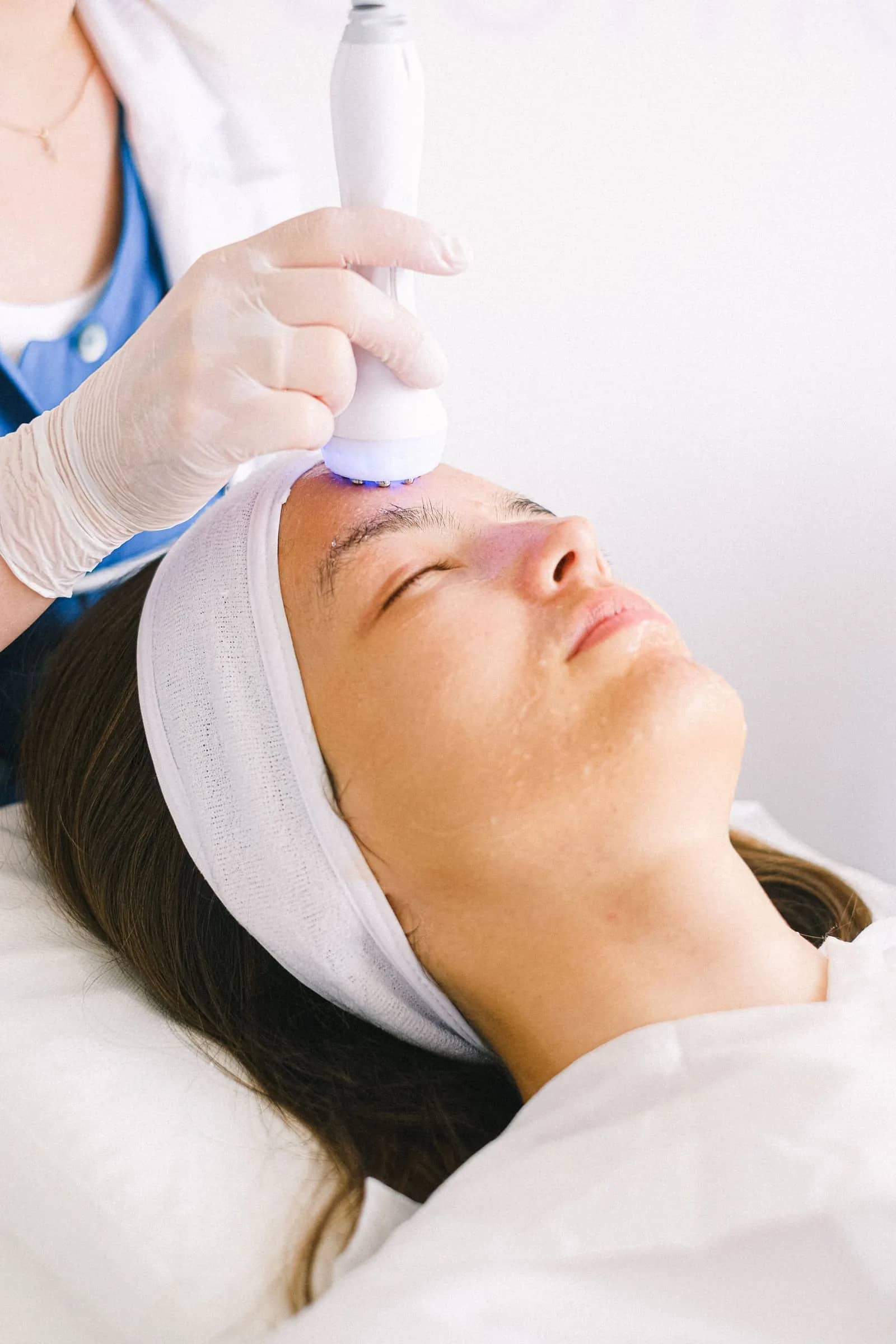
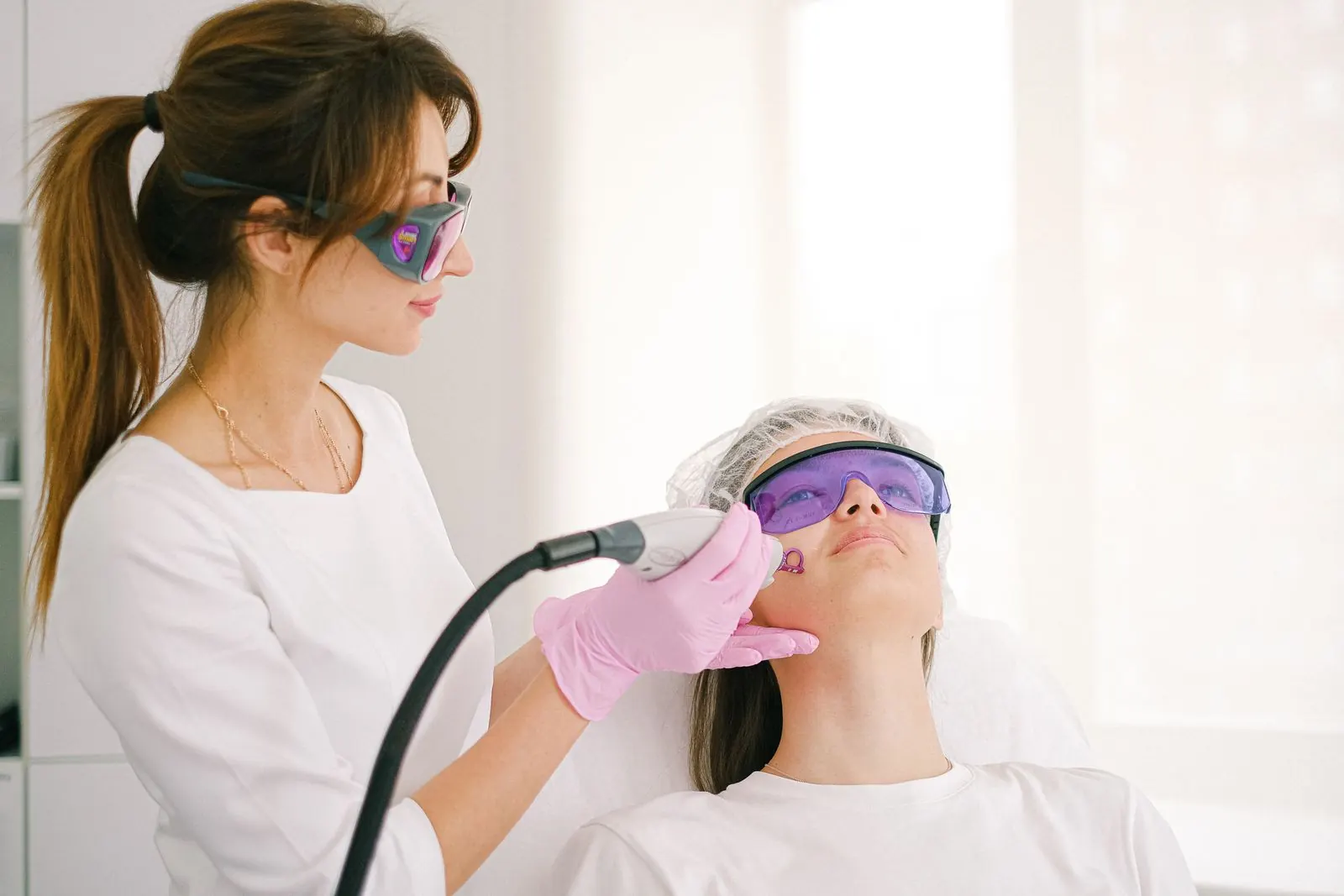
- Laser toning — low-energy laser that breaks up pigment gradually over several sessions.
- Skin-rejuvenation treatments to improve overall tone and texture.
What to expect
Melasma can be controlled and lightened significantly, but it's a long-term condition and can return with sun exposure or hormonal changes. Expect gradual improvement over weeks to months, and maintenance afterwards.
What to avoid
Steroid-containing "fairness" creams bought over the counter can seem to work at first but can damage skin and worsen pigmentation over time. Avoid harsh scrubs and home remedies that irritate the skin.
Melasma, pigmentation and uneven skin tone are among the concerns Dr. Jahanvi Tyagi treats most at the clinic in Jhotwara, Jaipur. See melasma and pigmentation treatment or book a skin consultation.
This article is general information, not medical advice, and is not a substitute for a consultation. Treatment is always planned after an examination by Dr. Jahanvi Tyagi.